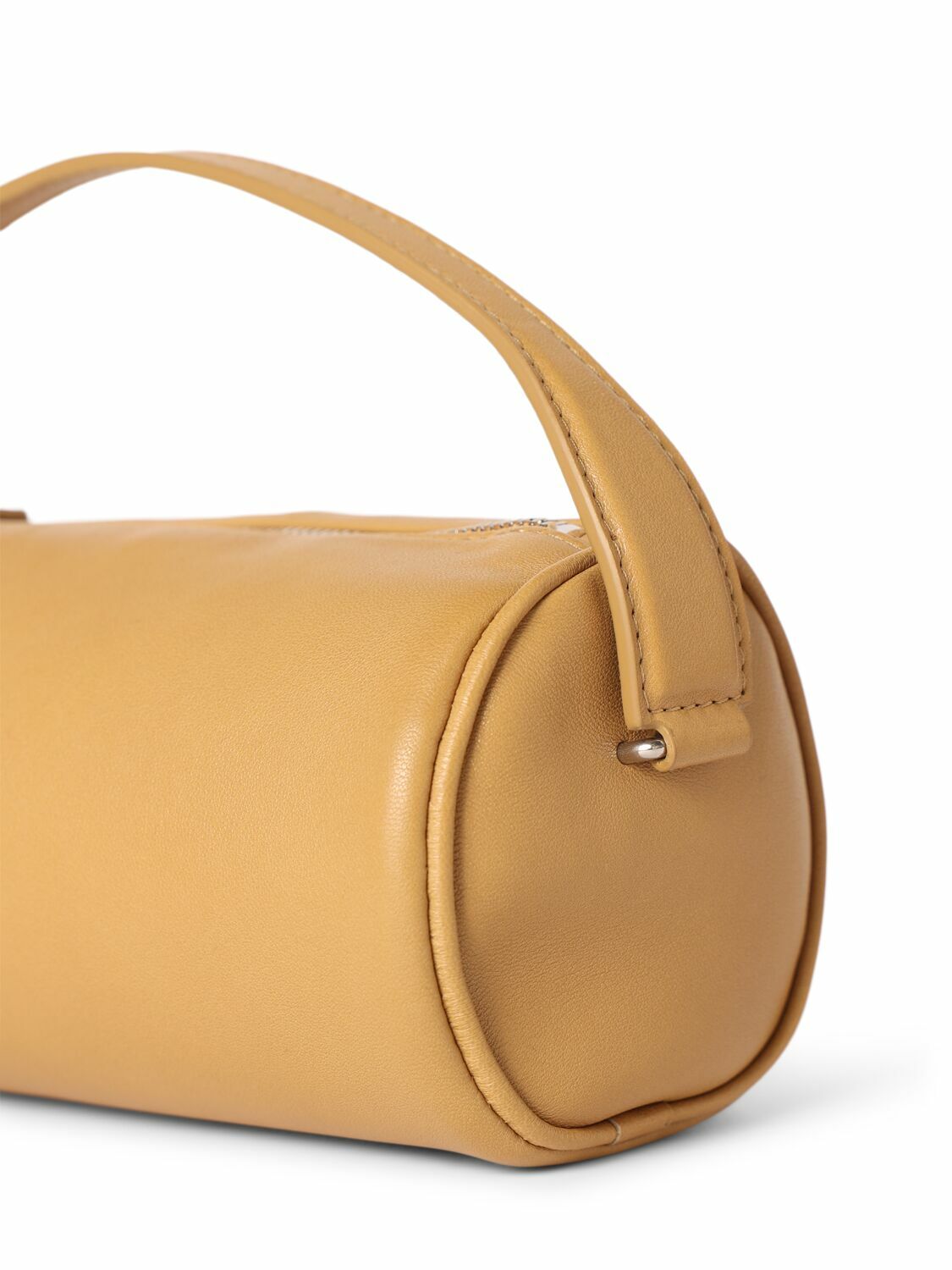

Explained: The brand’s Most Defining Bag Shapes
In fashion, the label occupies a strange yet desirable position. Mary-Kate and Ashley Olsen shaped a house that avoids logos, steers clear of trend cycles, and sidesteps nearly everything the accessories industry thrives on, but even so its bags have become some of the most quietly coveted objects in luxury. Talk to devotees of the row fashion and they’ll note that novelty has never been the point. It’s about balance, the caliber of the leather, and a refusal to shout. That restraint is precisely why the row handbags resell so well and why the row bag waitlists at flagship stores can stretch for months.
Below, we break down the silhouettes that cemented the label’s standing, what separate one silhouette from another, and where confusion usually sets in for new buyers. For those deciding among the brand’s most requested styles, a comparison table follows further down—useful before hunting for a row sale or combing through resale platforms.
Why The Row’s Bags Function Differently Than Other Luxury Houses
Most luxury handbag strategy relies on seasonal drops, collaborations, or visible branding that signals status at a glance. The Row upended that model from day one. Bags are made in modest quantities, hardware is minimal or entirely absent, and build details like edge-painting and hand-stitched handles carry more weight than any exterior logo. This is why the row bags overview conversation online tends to focus on leather sourcing and silhouette rather than “It girl” campaigns.
That manufacturing approach is mirrored in the prices. Many of the brand’s leather totes and top-handle bags sit in the four-figure range, with exotic-skin or oversized versions rising higher. Given that pricing setup, secondhand and resale marketplaces have turned into essential tools for shoppers chasing the best row bags while avoiding full retail. A row sale, when one appears through select department stores, tends to move fast because supply was never abundant to begin with.
Why a great number of its ysl canvas tote bags share the same design language comes down to the brand’s design ethos as well. Rounded corners, soft slouch, and minimal hardware repeat across the lineup, which means the differences between styles come down to proportion and handle construction rather than dramatic silhouette shifts. That subtlety is part of what makes this brand rewarding to study closely.
The Margaux: The Silhouette That Established The Row’s Handbag Reputation
If there’s a single style responsible for converting The Row from a quiet ready-to-wear label into a genuine handbag destination, it’s the Margaux. Christened for a Bordeaux wine region, the bag arrived sporting an unstructured tote shape with a slouchy drape that felt like a conscious pushback against the rigid, hardware-laden totes dominating luxury shelves at the time. Multiple size options exist, commonly labeled Margaux 12, 15, and 17, with the number approximately indicating width in inches.
The leather is thick, the top handles are short enough to require underarm carry on the larger sizes, and depending on the version, you’ll typically find either a plain magnetic snap or an open-top closure. The exterior carries no visible branding at all. That lack of identification was the whole idea: insiders spot it immediately, but it goes unnoticed by outsiders.
Since demand quickly outstripped supply right after launch, shoppers regularly seek out where to buy the row margaux bag across the brand’s direct site as well as authorized luxury sellers that periodically offer limited stock. Stock levels shift depending on season and leather color, and certain shades disappear more quickly than others. Those looking into the row tote bag category generally start their search with the Margaux because it remains the most referenced silhouette across resale platforms and styling content alike.
The Trio of Sofia, Ali, and Alexandra: Structured Options Worth Considering
Past the Margaux itself, The Row’s structured top-handle bags complete the rest of its most-queried catalog. The Sofia leans closer to a traditional handbag shape, with a more rigid frame and a top handle sized for hand-carry rather than shoulder or underarm wear. Meanwhile, the Ali falls somewhere between a clutch and a mini top-handle, drawing buyers who want the brand’s material quality in a more compact everyday size.
The Alexandra is the most architectural of the group, built with a stiffer base and a silhouette that holds its shape even half-empty. It tends to draw shoppers coming from more rigidly structured luxury houses who want a bag with presence yet no visible branding. Each of these styles reinforces the same throughline: quiet construction, minimal hardware, leather doing all the talking.
Buyers comparing top row bags across these three names often end up choosing based on handle drop and interior volume rather than color or seasonal availability, since the color rotation is far less dramatic than what other luxury brands offer. By design, it’s a slower, more deliberate kind of shopping experience.
The N/S Park Tote and Other Everyday Shapes
Not every iconic shape from The Row comes as a structured handbag. The N/S Park Tote and similar oversized carryall styles serve the brand’s more casual, editorial-favorite side. These totes are typically unlined or minimally lined, made from a single dominant leather panel, and designed to slouch rather than hold rigid form. They’ve emerged as a mainstay among stylists and editors seeking a logo-free yet identifiable daily bag.
These larger totes tend to be priced slightly below the brand’s structured top-handle bags, which makes them a common entry point for first-time buyers exploring the row bags line before committing to a smaller, pricier silhouette. They also hold up well as an everyday commuter bag, something the smaller Margaux sizes aren’t always practical for.
Because these tote styles share materials and construction techniques with the rest of the line, the quality gap between “entry” and “flagship” pieces at The Row is smaller than at most comparable luxury houses. That consistency is part of why loyal shoppers keep returning to the brand rather than shopping around each season.
An Overview of The Differences Among The Row’s Signature Bag Shapes
| Bag Model Shape | Shape Category | Typical Handle Style | Great Match For |
|---|---|---|---|
| Margaux | Slouchy, unstructured tote | Short top handles | Quiet-luxury appeal paired with daily elevated style |
| Sofia | A top-handle design that’s tailored | Firm upper handle | Professional or formal daytime wear |
| Ali | Petite top-handle/clutch hybrid | Brief handle with an detachable strap | Everyday streamlined carry or evening occasions |
| Alexandra | A silhouette with an sculptural structured form | Permanent top handle | Shoppers wanting a bag that holds its form |
| N/S Park Tote | A soft tote in a generously sized cut | Lengthy over-the-shoulder straps | Daily commutes, travel, everyday errands |
The Row’s Bags in 2026: How and Where to Buy Them
Browsing the collections of this name successfully requires patience. New releases seldom come with new releases, since the brand purposely maintains a small retail presence — flagship boutiques in key cities, plus a limited but growing e-commerce operation. Select luxury department stores stock rotating inventory, and that’s typically where a sale on the row style is likeliest to appear, more often than not during end-of-season sale periods rather than limited-time flash deals.
For those specifically trying to find where to purchase the Row Margaux bag, monitoring the brand’s own website as well as its authorized retailers regularly is the surest strategy, because restocking isn’t announced ahead of time and sought-after leather hues vanish in no time. For buyers who can’t afford retail or who want discontinued colorways, luxury-goods resale platforms with authentication services have likewise emerged as a trustworthy backup option.
Regardless of the starting point, the silhouettes discussed here form the foundation of the row handbags catalog as it is positioned heading into 2026. The Margaux continues to hold its place as the cultural centerpiece, buyers after structure and formality gravitate toward the top-handles, and the oversized totes fill the everyday-carry gap. Understanding these distinctions makes shopping the brand far less overwhelming and far more intentional, which, as it happens, is just how The Row approaches the design of everything it produces.