


Sarah, a 27‑year‑old graphic designer from Manchester, set out to travel across Europe with a strict budget of £500. She didn’t plan to fly; instead she used a combination of overnight buses, trains, and a few budget airlines, arriving in Lisbon after 48 hours of movement. The result? She spent only £4.50 on a hostel bed in Lisbon, £3.20 on a local bus, and £0.99 on a bus from Lisbon to Seville. Her itinerary proves that with a little research, the continent can be explored on a shoestring
Hidden Gems That Don’t Show Up on Tour‑Guide Apps
Most travel blogs focus on the obvious: the Eiffel Tower, the Colosseum, or the Grand Canyon. The real savings come from places that stay off the beaten path. For instance, the town of Gavà in Spain’s Costa Brava offers a beach that is only 500 metres from the nearest public transport stop, and the local market sells fresh fish for under €2 a kilo. In Croatia, the village of Šibenik has a 2‑hour walk to the sea, and the historic fortress is free to enter on the first Sunday of each month.
- Gavà beach – €1.50 for a beach chair rental.
- Šibenik fortress – free entry on the first Sunday.
- Albanian town of Berat – a 3‑hour bus ride for €5, then a free walking tour of the old quarter.
How to Get the Best Deals on Transport
When you’re on a tight budget, transport is where the most money can be saved. A single ticket on the Eurolines bus network can cost as low as €7 for a 12‑hour journey between major cities. If you book in advance, the price can drop to €4. The Rail Europe site offers a 3‑day pass for €25, which is cheaper than buying individual tickets. For shorter distances, consider the FlixBus app; it shows real‑time discounts that can cut a €30 trip down to €12.
Eating Well Without Breaking the Bank
Many travelers assume that eating out is the biggest expense, but that’s not always true. In Poland, a traditional pierogi meal at a local “kiosk” costs €1.50. In Turkey, a street‑food kebab can be found for €2.50, and the portion is generous enough for two people. In Italy, buying a loaf of bread and some cheese from a local market and preparing a sandwich takes about €3, compared to a full meal at a trattoria for €12.
Mid‑Article Aside: From Travel to Online Gaming
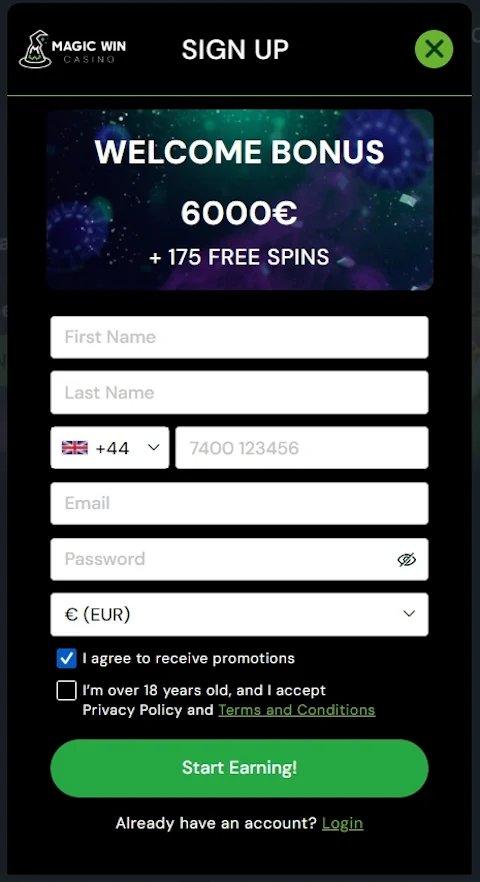
While planning her route, Sarah discovered a new way to unwind after a long day of hopping between cities. She tried an online casino platform that offers free demo games and low‑stake betting options. The interface is user‑friendly, and the payout window for a €10 deposit is 48 hours. If you’re curious about how budget travel can intersect with online entertainment, check out Magicwin for a brief guide on balancing travel expenses with leisure activities.
Accommodation Hacks for the Thrifty Traveler
Hostels are the obvious choice, but they can be pricey in tourist hotspots. A better option is to book a room on a Airbnb with a shared kitchen; the nightly rate in Prague averages €18, and you can save up to €10 by cooking your own breakfast. In cities like Budapest, the Student Hostels offer dormitory beds for €12 per night, and the on‑site laundry costs just €1.50 per load. For rural areas, look for guesthouses that offer a “stay for a meal” deal, where you stay for one night and receive a free dinner.
Planning Your Trip in 2026: What’s Changing?
By 2026, many European cities will introduce digital “tourist cards” that bundle transport, museum entries, and discounts on local eateries. For example, the Berlin Welcome Card will be available for €12 for a 48‑hour period, giving unlimited U‑bahn rides and free entry to 20 museums. In Barcelona, the new “Movia Pass” will let travelers skip the line at the Sagrada Família for just €2. These cards are often cheaper than buying separate tickets, especially if you plan to visit multiple attractions.
Final Thoughts
Sarah’s journey proves that a well‑planned itinerary, a willingness to explore lesser‑known destinations, and a focus on local food and affordable transport can keep a trip under £500. By using budget airlines sparingly, booking transport in advance, and choosing accommodation with shared facilities, you can experience the same cultural richness without spending a fortune. The key is to research ahead, stay flexible, and keep an eye out for hidden deals that only locals know. Happy travels!
Frequently Asked Questions
How did Sarah travel from Manchester to Lisbon on such a low budget?
She used a mix of overnight buses and budget airlines, choosing routes with the cheapest fares and booking well in advance.
What were Sarah’s biggest savings in Lisbon?
She spent just £4.50 for a hostel bed, £3.20 on a local bus, and only £0.99 for the Lisbon‑to‑Seville leg.
Did Sarah need any special gear for her trip?
Only a lightweight backpack, a travel‑size first‑aid kit, and a reusable water bottle – no expensive gear required.
Can I replicate Sarah’s itinerary today?
Yes, by checking current low‑cost bus, train, and airline schedules, and booking hostels and local transport in advance.